Engineering Proposal: The MotoEcho
Azman Choudhury
Brenda De Leon
Mohammed Hoque
Justin Khan
The City College of New York
ENGL 21007: Writing for Engineering
Sara Jacobson
April 27, 2026
Introduction
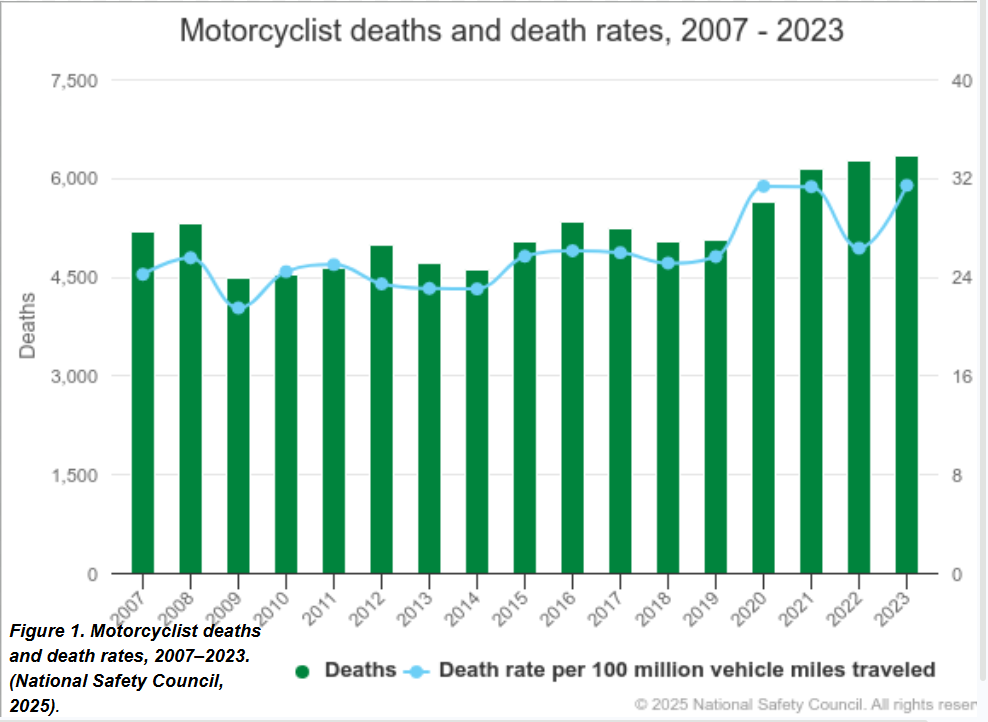
A Motorcycle is a two-wheeled (or sometimes three-wheeled) motor vehicle propelled by an engine, designed for daily commuting, long-distance touring, and or off-road, specialized racing. For many, riding is a thrilling and flexible experience, given the benefits such as better fuel efficiency, easier parking, and lower operating costs, compared to a standard Sedan/SUV. With this current and upcoming generation, motorcycles are often seen as a highly skilled hobby, and or fun lifestyle. Despite the love of the intense sense of freedom and meditative escape that many motorcyclists seek, unbeknownst to most of the population, May is designated as Motorcycle Safety Awareness Month. Conducted by the U.S. Department of Transportation’s National Highway Traffic Safety Administration today, the campaign has been urging the driving public to help prevent motorcyclist fatalities by riding and driving safely. Among those aged 15 to 20, motorcyclist fatalities increased by 44%, to 505 in 2023 from 350 in 2022 (Media. N, 2025). Vulnerable to accidents due to the lack of physical protection and situational awareness that drivers in cars have, motorcyclists are limited by their blind spots and rear visibility, making it difficult to detect nearby vehicles and avoid crashes, a flaw that not many riders take into consideration.
Problem Statement
Motorcyclists face a significantly higher risk of accidents due to limited spatial awareness. Unlike drivers in larger vehicles, motorcyclists have minimal structural protection, and they must rely heavily on mirrors and visual checks. These checks aren’t always sufficient, especially during unpredictable traffic. Many of these traffic accidents occur when drivers fail to properly check their blind spots before changing lanes, merging, or making turns. The majority of Multi-vehicle motorcycle crashes are generally caused when other drivers simply don’t see the motorcyclist (NHTSA). This negligence can result in collisions with other vehicles or vulnerable road users (Pack Law Group, 2024). As traffic density continues to rise, the inability to effectively monitor blind spots becomes an increasingly critical safety issue, demanding innovative solutions to enhance rider awareness and prepare them to take the necessary measures in those meaningful seconds that mean life or death.
Objective
The number one piece of gear motorcyclists are required to have is a Department of Transportation (DOT) approved helmet. While most helmets provide the necessary padding to ensure rider safety, they hinder the driver’s view, opening a whole new plethora of issues. With this shortcoming in mind, the goal of our innovation is to create a smart helmet, the MotoEcho, that uses ultrasonic sensing technology to alert riders from vehicles approaching from directions the motorcyclist may not have been aware of, whilst also providing visual enhancements such as a rear-view camera and on-screen GPS incorporated into the visor that ensures road safety without distracting the rider from the road. This helmet ensures riders receive the necessary information to operate the bike safely, rather than performing physical checks; information can be viewed and digested without taking away from the driver’s attention.
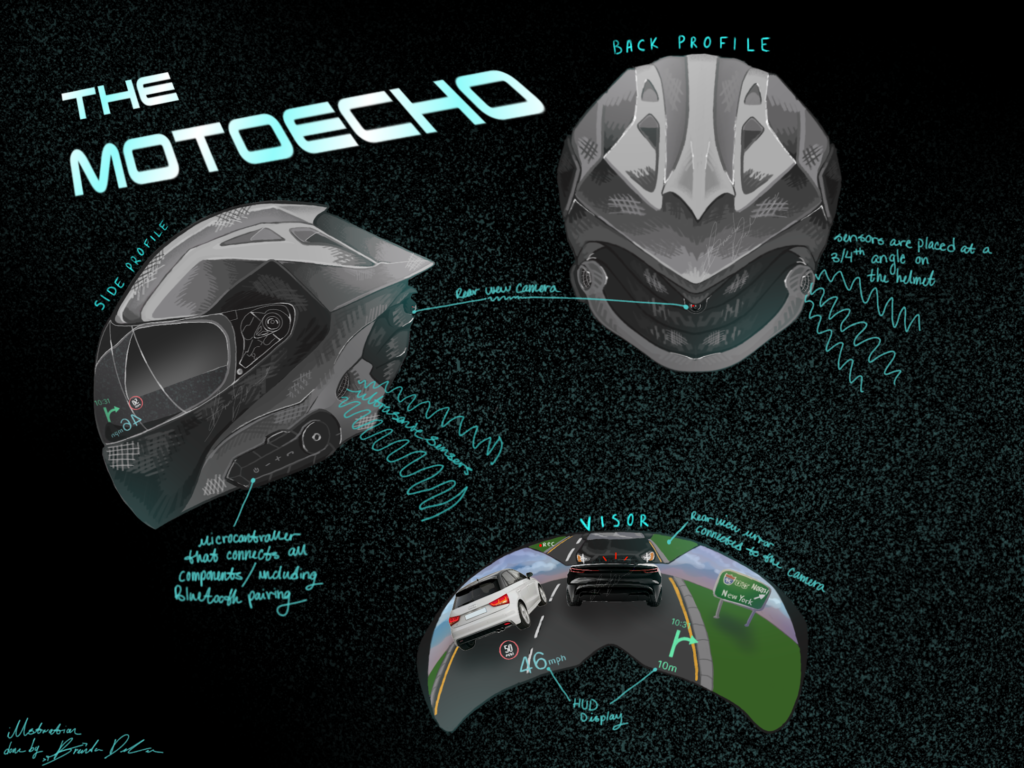
Figure 2
Key Components
The MotoEcho helmet enhances awareness through technologies that sense and visualize its environment. The helmet incorporates ultrasonic sensors on both sides and the rear to detect oncoming traffic and obstacles. These sensors measure the distance, size, and rate of acceleration. When an object or vehicle is detected within the critical range of the operator, it will alert the driver by communicating with the MCU, notifying the driver on the visual HUD on the visor with a visual and audio cue. All the components listed work hand in hand in delivering a smooth, accessible, and safe rider experience, allowing the rider to stay alert to their surroundings without taking their attention off the road.
Helmet Shell
The Helmet shell serves as the structural foundation for the MotoEcho. It needs to provide both physical protection and housing for the electronic components. For our product, we decided to use the ILM Full Face Motorcycle Helmet Model JK313. This helmet balances safety, affordability, and space for modular components. The helmet also meets DOT (Department of Transportation) requirements as required by the NHTSA, ensuring that impact protection is not compromised while integrating additional technology. Its full-face design offers complete coverage, which is essential for mounting components such as ultrasonic sensors along the sides, a rear-view camera at the back, and the HUD projection system within the visor. The helmet’s rigid outer shell and padded interior provide sufficient space for internal wiring, microcontroller placement, and battery storage without significantly affecting comfort or weight distribution. The helmet costs approximately 13 to 20 dollars per unit if purchased wholesale, providing a cost-effective application for large-scale production while not sacrificing rider safety.
Ultrasonic Sensors
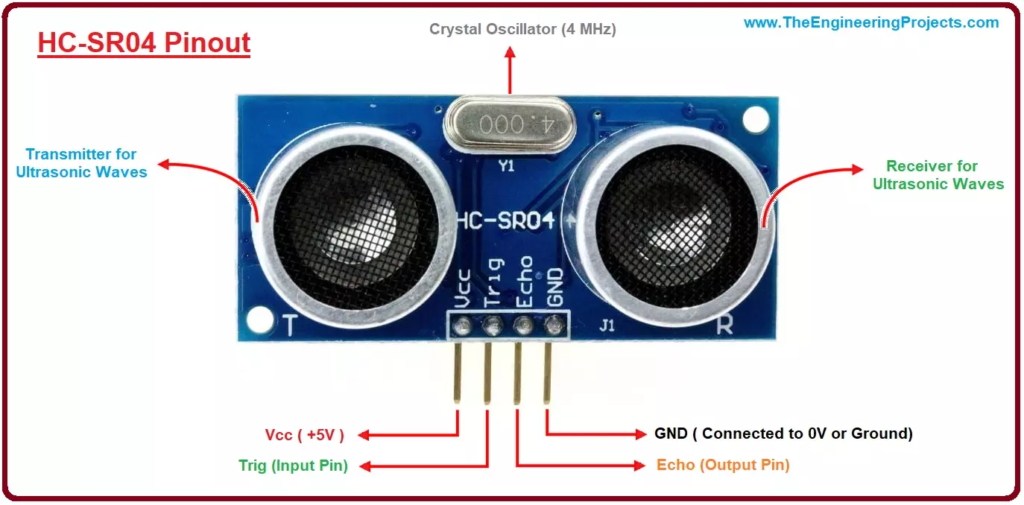
For the helmet to detect nearby obstacles, it would need a detection system; this is where the Ultrasonic sensors mounted on each side of the helmet come into play. These lightweight and reliable devices gained significant prominence in the automotive industry in recent years, as many modern vehicles adopted ultrasonic detection systems to enhance the driver’s situational awareness (CarADAS, 2023). The specific sensor we will be using for our helmet is the HC-SR04 ultrasonic sensor module, a widely used and cost-effective component known for its reliability and ease of integration with microcontrollers such as our Arduino (SparkFun Electronics). The HC-SRO4 sensor emits a high-frequency sound of 40 kHz(kilo hertz) that bounces off any object within its detection radius of 2-400 centimeters. This wave then bounces back to the sensor, similar to echolocation used by animals such as beluga whales. The ultrasonic sensors continuously scan for approaching vehicles and obstacles, transmitting this data to the Arduino for immediate processing and display on the HUD, so the rider can take the necessary precautions. The HC-SRO4 sensors are also compact, typically only measuring about 20-45mm, allowing them to comfortably fit into our helmet without compromising comfort and aesthetics. The sensor is also affordable and reliable, typically costing between $2 to $5 depending on the supplier. It has low power consumption and performs continuously in various conditions, including nighttime and fog (SparkFun Electronics). Considering these factors, the HC-SRO4 ultrasonic sensor is well-suited for scalable production.
Rear-View Camera
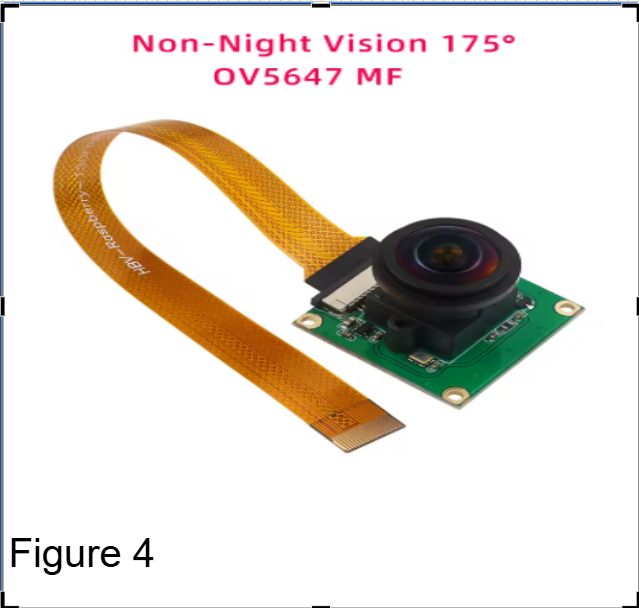
When transitioning lanes on the road or even just checking blind spots, motorcyclists have to physically turn their head or rely on a small rear-view mirror that gives them limited information. Although this only diverts the rider’s attention for a brief moment, this minor check can lead to a much greater complication whilst navigating dense or unpredictable traffic. The rear-view camera component directly addresses this issue. A rear-view camera system has been shown to improve driver awareness and reduce blind spot limitations by providing a continuous field of view that traditional mirrors cannot offer (NHTSA, 2025). For our product, we decided to incorporate the Caturda wide-angle non-night vision camera, compatible with the Raspberry Pi Zero. This camera features a 170-degree wide-angle and continuously captures the rear of the vehicle with a 5-megapixel lens, projecting it directly onto the visor through the HUD. It allows the rider to be aware of what’s behind them without constantly looking over their shoulder, it keeps the rider alert at all times, keeping a relatively close eye on the vehicle(s) behind them without losing their focus on what is in front of them. The camera also features a compact, lightweight, cost-effective design perfect for our helmet.
Heads-Up Display (HUD) System
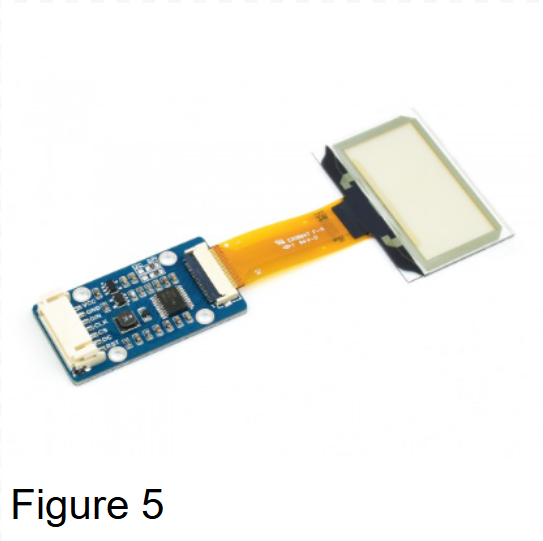
The Heads-Up Display is the component through which the rider receives all crucial information given by the components processed by the MCU. It works directly with the Arduino UNO R4 WiFi and Raspberry Pi Zero 2. The HUD visually presents real-time data collected by the rearview camera and sensors without the rider needing to look around or at a certain point to access this information. For the MotoEcho, we decided to integrate the Waveshare 1.51inch OLED Transparent Module, a compact transparent OLED module designed for embedded applications. This display features support for both the Arduino and Raspberry Pi. Its transparent design and full viewing angle allow information to be projected onto the visor while maintaining clear visibility of the surrounding environment, which is essential for rider safety. Additionally, the module includes an embedded driver chip (SSD1309), allowing for efficient data handling, which in turn gives fast response times, which is critical for real-time hazard alerts (Waveshare). Operating at low voltage (3.3V–5V) and with a compact form factor of approximately 42 mm by 27 mm, the display is well-suited for helmet integration without adding significant weight or power demand. While a bit pricy, starting at around $20 per unit, the integration of this HUD system significantly enhances the functionality of the MotoEcho. By incorporating this display, the helmet ensures that all processed information from the MCU is delivered instantly and clearly, reducing reaction time and improving overall situational awareness for the rider.
Microcontroller and Processing Unit
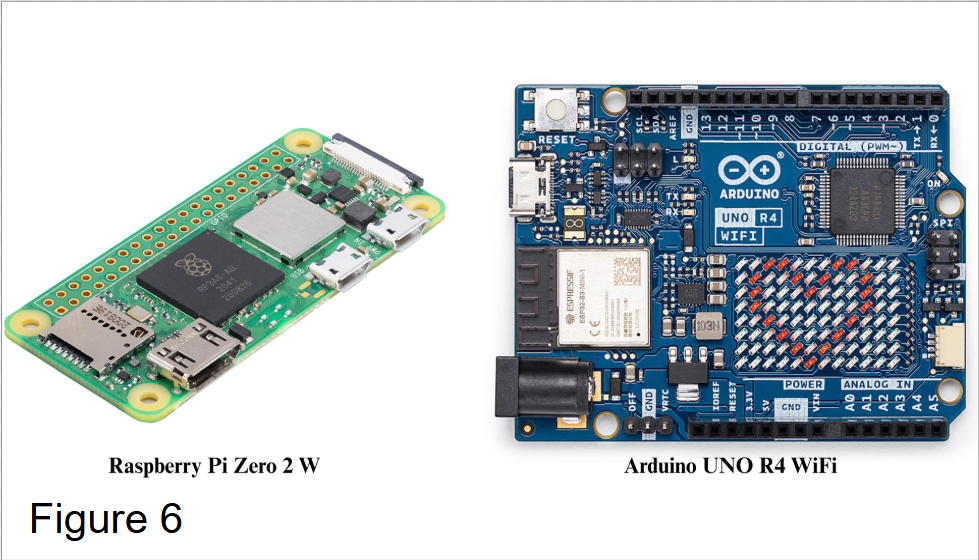
A microcontroller unit (MCU) is essentially a small computer on a single chip. It is designed to manage specific tasks within an embedded system without requiring a complex operating system. The MotoEcho is driven by two microcontroller units that serve as the central hub for data processing, interpreting, and coordinating real-time system responses and visual feedback. The MCUs will receive alerts from the ultrasonic sensors, camera, and GPS, process the data, and detect any collision risks by outputting HUD alerts and audio cues. Identity 1: The Arduino UNO R4 WiFi serves as the primary controller for real-time sensor operations. Built on the RA4M1 microprocessor from Renesas with the ESP32-S3 from Espressif, creating an all-in-one tool for makers with enhanced processing power and a diverse array of new peripherals (Core Electronics, n.d.) that enables precise distance calculations and efficient handling of ultrasonic sensor data. Together, the system architecture separates responsibilities between both components via USB serial communication. The Arduino UNO R4 will be connected through a standard USB cable attached to Identity 2: The Raspberry Pi Zero 2 W. Perfect for a range of smart home applications and other Internet of Things (IoT) projects. Its lower power drain (as little as 100 milliwatts) makes it suitable for battery-powered projects in remote locations away from mains power outlets, such as weather stations or wildlife cameras (King, P. 2025). Due to its compact design and low power consumption, the Zero 2 W is ideal for embedded systems, while its processing capabilities support live camera streaming, GPS integration, and HUD visualization. This division of responsibilities ensures efficient processing, responsiveness, and overall system reliability.
Incorporated Software
The MotoEcho integrates specialized software that coordinates and processes sensor data, manages visual and audio outputs, and controls the HUD, whilst providing real-time alerts to the rider and feedback to enhance overall safety and awareness. The helmet will be integrated with two software packages: the Arduino Integrated Development Environment (IDE) 2 and the Raspberry Pi OS. The Arduino IDE 2 is a versatile editor program, improved from the original Arduino IDE, showcasing increased performance, a more flexible user interface, and many other built-in features. This open source allows our board or users to write code known as sketches and upload them to any Arduino board under the library manager, creating thousands of Arduino libraries to browse from. Specifically, libraries are extensions of the Arduino API, and make it easier to, for example, control a servo motor, read specific sensors, or use a Wi-Fi module (Söderby, K. & Hylén, J. 2024). As the core control software, the Arduino IDE 2 will be the brain of the system, handling the sensor readings, triggering alerts, and sending data to other components. Regarding managing live video processing, HUD display data, and integrating multiple other advanced features, the Raspberry Pi OS will be in control of the rear-view camera feed, GPS tracking, and any other complex decision-making. Raspberry Pi OS user interface is optimized for its hardware and tuned to have low base memory requirements, aiming to deliver a lightweight, fast, and energy-efficient experience. Using a Raspberry Pi module allows you to control electronic components for physical computing and explore the Internet of Things (IoT). The capability of the RPi to add a camera, either through its dedicated port or via USB, makes it popular for image processing applications (Pelayo, R. 2023), along with WiFi and Bluetooth functionalities. Inherently, both of these software packages will work cohesively to stabilize computing and ensure every functional feature on the MotoEcho works.
Power Supply and Energy Management
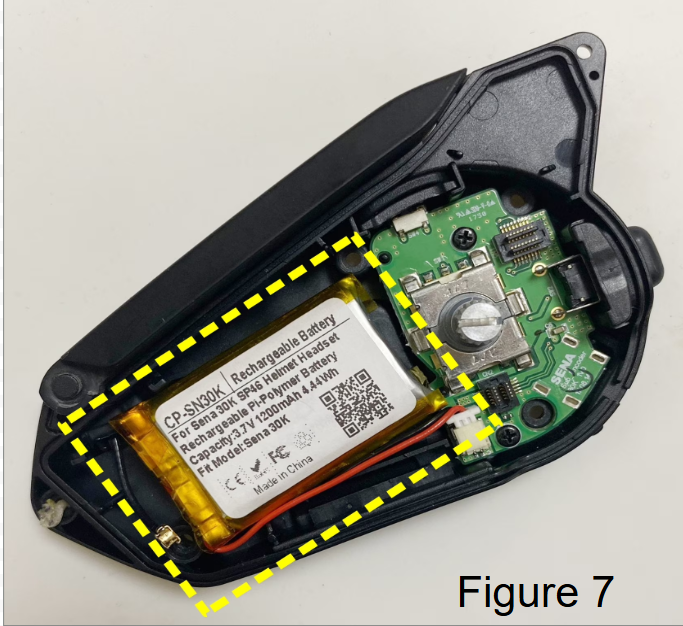
To stabilize power and efficiency, capable of powering the microcontroller, sensors, rear-view camera, and HUD display. A lithium-ion polymer (LiPo) battery is connected to the MotoEcho and embedded within the helmet, included separately with a USB mini-B for charging connection to any computer or USB wall adapter. LiPo batteries are widely used in portable electronics and electrified transportation; they provide higher specific energy than other lithium batteries, making them well-suited to systems where weight is an important factor, such as mobile devices, drones, and some electric vehicles (Shepard, J. 2021). The LiPo battery differentiates itself solely due to its polymer-based electrolyte properties, having excellent thermal and electrochemical stability, improving safety with low flammable risks, flexible design, and material versatility, allowing more tolerance to vibration, shock, and mechanical deformation. LiPos are packaged in an aluminum foil “pouch” and are called soft or pouch cells. The pouch is mostly prismatic and easier to fabricate, and lower in cost than the stainless steel or aluminum cases of Li-ions (Shepard, J. 2021). The MotoEcho would most likely be handling a rechargeable 3.7V 1200mAh lithium-ion polymer battery. It will come pre-attached with a 2-pin JST-PH connector, which won’t snag or get stuck in a matching JST jack; they click in and out smoothly, providing a user-friendly experience when charge is needed.
How the MotoEcho Improves Safety
Trivial and/or fatal accidents can happen just about anywhere; it is rare for anyone to be acutely aware of where an incident may occur. As citizens, we’re aware of the importance of keeping our eyes on the road. For the average driver in a large vehicle, it’s obtainable. However, most motorcyclists rely on rotating their upper torso, looking over their shoulders, and maintaining balance, all of which can be distractions that increase the risk of injury. Here’s where the MotoEcho comes into fruition, an advanced motorcycle helmet that reduces the risk of such incidents. It allows riders to pay more attention to the road without compromising their safety. Given the MotoEcho’s features, it allows the rider to be closely aware of their surroundings through audio alert cues triggered by the ultra sensors. Based on the direction of which vehicle is in closer proximity, the alerting sound will go off and display a caution sign on the HUD, allowing the rider to know exactly where the danger is coming from. The MotoEcho also provides real-time video feed, given the rear-view camera, not only will the rider be able to see what’s behind them at all times without having to constantly look over their shoulder, but all accidents that occur from behind can be recorded, saved, and given to the police or insurance company for evidence within an investigation.
Potential Challenges & Future Improvements
Every engineering design has its limitations; the MotoEcho will be a severely dependable product. Attached with advanced features, there are also possible flaws such as sensor inaccuracy when traveling at higher speeds, avoiding the alert cues that could potentially disrupt the rider, weather interference such as rainstorms, snowfalls, and fog, and most importantly, the battery life, taking the high ground as the majority of the components can only operate when powered. These objections could be potentially improved by integrating haptic feedback: helmet vibration alerts to provide non-intrusive warnings, enhancing connectivity through a mobile app for reliable pairing and diagnostics, and increasing battery capacity to support longer operation times and reduce the risk of system failure.
Investment
The estimated manufacturing cost of the MotoEcho ranges from approximately $109 to $147 per unit, factoring in the base helmet, electronic components, and assembly materials. Having this relatively low production cost allows us stronger flexibility with our pricing strategy without the worry of losing profit. With this factor and the production cost in mind, the Moto Echo will have a price starting at $275. With this price, every purchase is projected to generate $128 to $166 in profit. Making this project financially viable for not only small-scale production but also larger commercial production. Our product, if released onto the market, will offer a reliable, innovative, high-value experience without crazy production costs, positioning it as an accessible yet innovative safety solution for motorcyclists.
Conclusion
The MotoEcho presents a practical and innovative solution to one of the biggest issues motorcyclists face, providing real-time information needed to operate safely without the need to divert the rider’s attention. By combining ultrasonic sensors, a rear-view camera, and a visor-based HUD, the system allows riders to stay informed without taking their focus off the road. Each component works together to improve reaction time and reduce the risks that come with blind spots and constant physical checks. This not only makes riding safer, but also more comfortable and less stressful. Although there are still some issues mentioned that can be improved, such as battery life or sensor accuracy, these issues can be addressed with further development and testing. The overall design shows strong potential for real-world use and future upgrades. With a reasonable manufacturing cost and strong safety benefits, the MotoEcho is a practical step forward in motorcycle safety, giving riders a balance of innovation and everyday usability.
References
Arduino Uno R4 WIFI. Core Electronics. (n.d.). https://core-electronics.com.au/arduino-uno-r4-wifi.html
ILM full face motorcycle street bike helmet with removable winter neck scarf + 2 visors dot model-JK313. Supply Leader. (n.d.). https://supplyleader.com/product/ILM-Full-Face-Motorcycle-Street-Bike-Helmet-with-Removable-Winter-Neck-Scarf-2-Visors-DOT-Model-JK313/B01HEHOCAK
King, P. (2025, November 17). What can you build with Raspberry Pi Zero? – Raspberry Pi. Raspberry Pi. https://www.raspberrypi.com/news/what-can-you-build-with-raspberry-pi-zero/
Media, N. (2025, May 5). Consumer alert: NHTSA urges drivers to share the road amid rising motorcyclist fatality rate. https://www.nhtsa.gov/press-releases/motorcycle-safety-awareness-month-motorcyclist-fatality-rate
Motorcycle safety. NHTSA. (n.d.). https://www.nhtsa.gov/road-safety/motorcycles
National Safety Council. (n.d.). Motorcycles – injury facts. https://injuryfacts.nsc.org/motor-vehicle/road-users/motorcycles/
Pack Law Group. (2024, April 18). Blind spots: The overlooked culprit in many motorcycle accidents. https://www.packlawgroup.com/2024/04/18/blind-spots-the-overlooked-culprit-in-many-motorcycle-accidents/
Pelayo, R. (2023, December 12). What is Raspberry Pi? models, features, and uses. NextPCB. https://www.nextpcb.com/blog/what-is-raspberry-pi-models-features-and-uses
Raspberry Pi 5 Camera 5MP 1080P. Aliexpress. (n.d.). https://www.aliexpress.us/item/3256807312091383.html
Shepard, J. (2021, June 30). The difference between lithium ion and lithium polymer batteries. Battery Power Tips. https://www.batterypowertips.com/difference-between-lithium-ion-lithium-polymer-batteries-faq/
Söderby, K., & Hylén, J. (2024, January 17). Getting Started with Arduino IDE 2. Docs.arduino.cc. https://docs.arduino.cc/software/ide-v2/tutorials/getting-started-ide-v2/
Tech support: [email protected] ultrasonic ranging module HC – SR04. (n.d.). https://cdn.sparkfun.com/datasheets/Sensors/Proximity/HCSR04.pdf
Ultrasonic distance sensor – 5V (HC-SR04). SparkFun Electronics. (n.d.). https://www.sparkfun.com/ultrasonic-distance-sensor-hc-sr04.html
Understanding adas – ultrasonic sensors in Cars. Car ADAS. (2023, December 2). https://caradas.com/understanding-ultrasonic-sensors-in-cars/
Waveshare. (n.d.). https://www.waveshare.com/1.51inch-transparent-oled.htm
Figures
Figure 2: Helmet Shell/ Model-JK313
Figure 3: Ultrasonic sensors/ 5V (HC-SR04)
https://www.sparkfun.com/ultrasonic-distance-sensor-hc-sr04.html
Figure 4: Rear-View Camera/ Raspberry Pi 5 Camera 5MP 1080P
https://www.aliexpress.us/item/3256807312091383.html
Figure 5: Heads-Up Display/ Waveshare 1.51 Inch OLED
https://www.waveshare.com/1.51inch-transparent-oled.htm
Figure 6: Microcontrollers/ Arduino UNO R4 & Raspberry Pi Zero 2 W
https://core-electronics.com.au/arduino-uno-r4-wifi.html https://www.raspberrypi.com/products/raspberry-pi-zero-2-w/
Figure 7: Power Supply/ LiPo Battery

